



ARC Research Strengthening the Social Fabric
Strengthening the Social Fabric
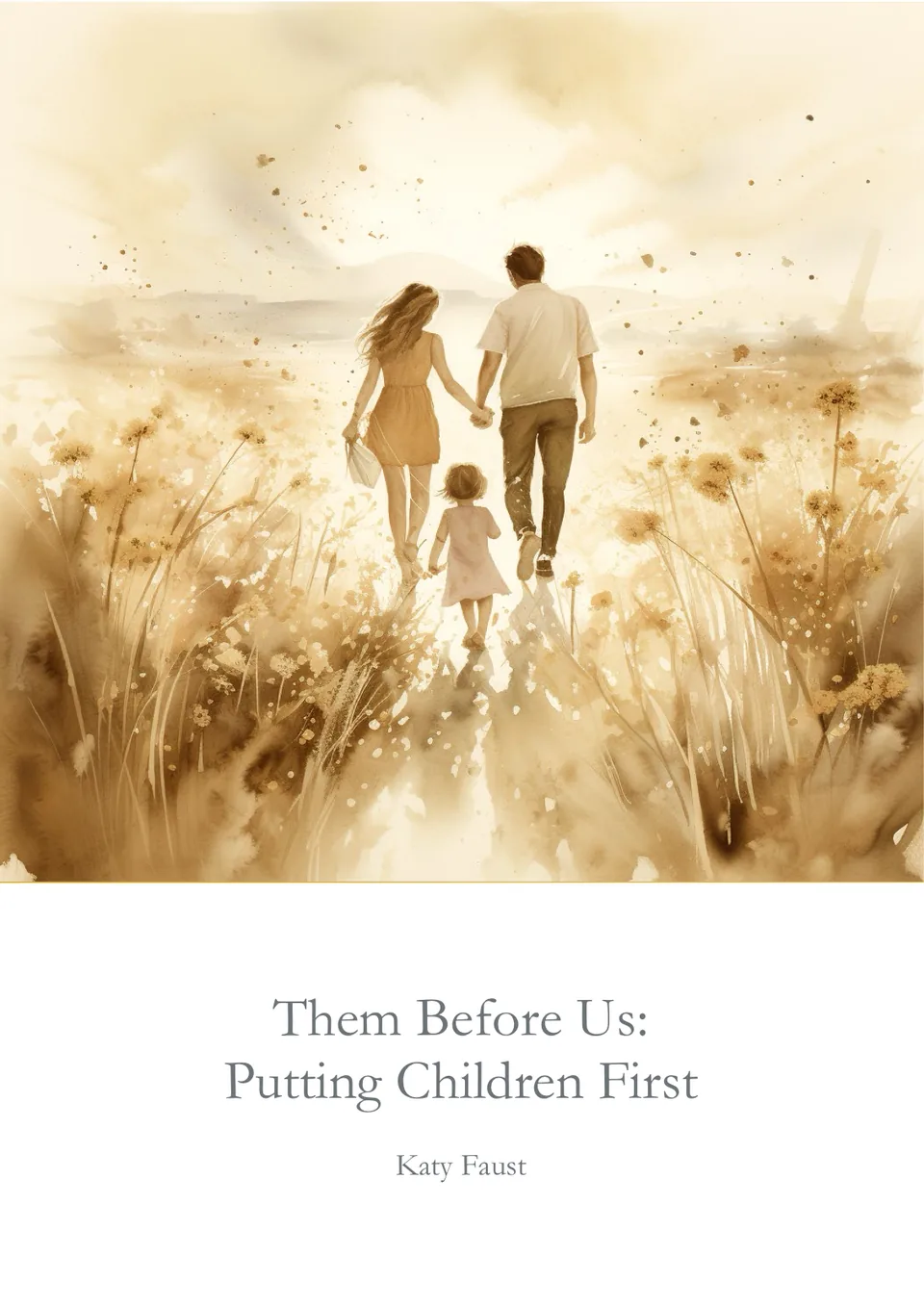
Them Before Us: Putting Children First
Katy Faust
24 pages · 2023
Summary
The thesis
Who am I? Do I belong? Our search for identity is at the heart of human existence. There is no better place to find these answers than in our families.
Studies show that children flourish when they are raised by their biological parents in stable families. The nuclear family offers a secure and loving environment in which children can discover who they are, where they belong, and how to embrace their identity. Stable families are a pillar of society.
The evidence
This paper collates evidence which shows children have the best outcomes when raised by their married, biological parents:
- Health: A UK survey found that one in three 14-year-olds with divorced parents suffered mental health problems compared with only one in five whose parents stayed married. Children with married parents also enjoy better physical health and academic performance than children from home with co-habiting or divorced parents.
- Social welfare: Fatherlessness is the leading factor in children who run away from home (90%), commit arson (90%), act out (85%), and end up in prison (85%). It is also a contributor to youth suicides (63%), high school dropouts (71%), and drug abuse (75%).
- Safety: Children who do not live with their biological parents face increased risks of abuse and neglect. One study found that children were 120 times more likely to be beaten to death by their stepfather (or their mother’s live-in boyfriend) than their biological father.
- Sense of belonging: Children cannot answer the question “Who am I?” without knowing “Whose am I?”. An American Adoption Congress Survey found that almost every adopted child surveyed wanted to know which birth parent they resembled most. The majority of donor-conceived children struggle with identity issues because they do not, and cannot, know who their biological parents are.
- Both parents matter: Studies show that children require both the nurturing influence of the mother and the boundary-pushing influence of the father to understand their own identity and to learn how to interact with the rest of the world.
The solution
Creating child-centric societies where children are raised by stable families requires a commitment to legal, technological, and cultural reforms that prioritise the rights of children over the preferences of adults.
Individuals at all levels of society have a role to play. A culture that celebrates nuclear families empowers parents to sacrifice for and shoulder the burden of raising their children with support from their communities and government.
Married mothers and fathers raising their children together are the smallest and most critical stitches in mending our social fabric.
More in Strengthening the Social Fabric
 Strengthening the Social Fabric
Family Matters: Why Our Choices Determine Our Economic Prosperity
Philip Pilkington · 47 pages Strengthening the Social Fabric
Self-Focus or Sacrifice: What It Will Take to Rebuild the Mental Health of the Next Generation
Erica Komisar · 33 pages Strengthening the Social Fabric